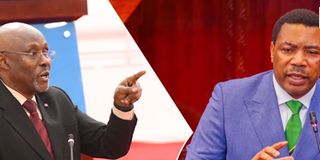
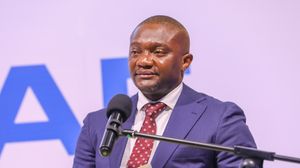
Dodoma/Zanzibar. Prime Minister of the United Republic of Tanzania, Mwigulu Nchemba, together with ministers from the Zanzibar Revolutionary Government, has moved to calm rising tensions following heated exchanges over alleged discrimination between Zanzibaris and mainland Tanzanians.
The debate, which has unfolded in both the Parliament of Tanzania and the Zanzibar House of Representatives, has raised concern among lawmakers who warned that such remarks could strain the Union and weaken national unity.
The controversy intensified after Acting Zanzibar Minister for Health Saada Mkuya Salum questioned the use of Zanzibar’s health card system by non Zanzibaris seeking treatment in the islands.
She argued that Zanzibar’s budget of Sh8 trillion could not support healthcare services for a population of about 60 million people, comments that sparked criticism from sections of the public who viewed them as discriminatory.
The issue was further fuelled when Deputy Minister for Youth, Employment and Empowerment Hassan Hamis Hafidh, popularly known as Diaspora, stated during budget discussions that Zanzibar has 1,184 registered hotels but that many workers in the sector are not indigenous residents.
The remarks added to concerns over employment opportunities and labour movement within the Union.
Responding in Parliament, Prime Minister Mwigulu Nchemba sought to ease tensions, urging restraint and unity while warning against narratives that could divide citizens.
He acknowledged that some matters fall under Union and non-Union categories, including health, but clarified that the Ministry of Health in both mainland Tanzania and Zanzibar had agreed to mutual recognition of insurance systems between the National Health Insurance Fund (NHIF) and the Zanzibar Health Services Fund (ZHSF).
He said insured citizens can access treatment across the Union, while those without insurance are required to pay cash.
He also noted that some foreign nationals with residence permits have been exploiting systems, calling on citizens to ignore divisive narratives and focus on national cohesion.
In Zanzibar, members of the House of Representatives also urged restraint, with Kwahani Representative Mohammed Sijamini Mohammed, who is also Deputy Minister for Information, Communication and Innovation, saying Zanzibar benefits significantly from the Union and calling for leaders to focus on facts rather than division.
He cited regional cooperation in sports, including the Africa Cup of Nations (Afcon), where Zanzibar will host some matches, and diplomatic representation involving Zanzibar leadership abroad.
Deputy Minister Zawadi Amour Nassor dismissed claims of discrimination in employment, insisting recruitment is based on qualifications and merit.
Minister of State Idrissa Kitwana Mustafa said Zanzibar residency identification procedures are clearly defined in law and reaffirmed that all citizens remain Tanzanian under the Union framework.
Zanzibar Minister of Finance Juma Malik Akil also dismissed claims that Zanzibar is disadvantaged within the Union, saying such statements were misleading and risked creating unnecessary tension.
He said Zanzibar continues to benefit from economic stability, strong credit standing and that revenue collected by the Tanzania Revenue Authority (TRA) within Zanzibar remains in Zanzibar.
Other representatives in the House of Representatives defended the Union, saying economic and social integration between Zanzibar and the mainland remains strong, with deep ties in trade, labour and daily life. However, some opposition voices raised concerns over employment access and called for stronger representation in international sporting bodies.
Prime Minister Mwigulu Nchemba reiterated that the Union is rooted in shared history and daily interdependence, urging leaders to avoid inflammatory remarks and to resolve differences through dialogue and established institutions.
Register to begin your journey to our premium contentSubscribe for full access to premium content