Dodoma. The Tanzania Coffee Board (TCB) has pledged to strengthen collaboration with industry stakeholders to enhance productivity, improve market access and increase the global competitiveness of the local coffee, amid growing demand for traceability across international coffee value chains.
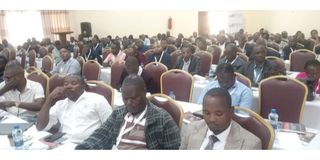
Speaking at the 16th Coffee Industry Stakeholders Conference in Dodoma on Thursday June 4, 2026, TCB chairperson Prof Aurelia Kamuzora said sustained investment in coffee production, processing, trade and support services had been instrumental in driving the sector's growth.
She said the board would continue providing the necessary support to ensure the coffee industry contributes more significantly to farmers' livelihoods and the national economy.
“On behalf of the Tanzania Coffee Board, I assure stakeholders that we will continue working closely with you to ensure the industry grows further and delivers greater benefits to farmers, traders and the country as a whole,” she said.
Prof Kamuzora attributed the sector's progress to increased private-sector investment and a favourable business environment fostered by the government under President Samia Suluhu Hassan.
According to her, the number of people investing in coffee production and trade has continued to rise, reflecting growing confidence in the industry and its future prospects.
She noted that Tanzanian coffee was gaining stronger recognition in international markets, creating new opportunities for export growth and increasing the crop's contribution to the economy.
This year's conference was held under the theme: "Strengthening traceability systems in the coffee sector for enhanced markets and sustainable development."
Prof Kamuzora said the theme reflects increasing demands from both domestic and international buyers for transparency throughout the coffee value chain, from farm to consumer.
“Today's consumers do not simply want to drink coffee. They want to know where it came from, who produced it, under what conditions it was grown and the methods used throughout the production process,” she said.
She explained that countries that have successfully positioned their coffee brands globally have invested in documenting the full production journey, including farm locations, growers, inputs used and processing methods.
To meet these evolving market requirements, TCB says has begun implementing a coffee farm mapping and identification programme aimed at generating reliable production data for international buyers.
“Tanzania will not be left behind. We have started mapping coffee farms and are working with local authorities and regional administrations to build a compelling story around Tanzanian coffee that meets the expectations of modern consumers worldwide,” she said.
The initiative is expected to enhance the competitiveness of Tanzanian coffee and position the country among Africa's leaders in adopting modern coffee traceability systems.
TCB Director General Primus Kimaryo said continued collaboration among stakeholders would be crucial in addressing challenges facing the sector, particularly climate change and shifting global market conditions.
He commended coffee industry stakeholders for their contribution to the growth of coffee production and trade, saying their support had been key to the sector's achievements.
“We appreciate the strong partnership from all stakeholders. This cooperation has enabled us to record significant progress and continue building the reputation of high-quality Tanzanian coffee,” he said.
However, he noted that climate change remains a major threat to coffee production both in Tanzania and globally, affecting yields in many coffee-growing regions.
“Our farmers continue to face challenges associated with climate change. It is therefore important to maintain dialogue and jointly develop solutions that will ensure the long-term sustainability of the sector,” he said.
The Director General of the Tanzania Agricultural Research Institute (TARI), Dr Thomas Mbwana, said the conference provided an opportunity for stakeholders to assess achievements, identify emerging opportunities and formulate strategies to strengthen the competitiveness of Tanzanian coffee in global markets.
He said discussions at the conference would help generate recommendations aimed at accelerating growth in the coffee sector and increasing its contribution to national economic development.
“Together, we can chart the right course for the future of the coffee industry for the benefit of farmers, traders and the nation as a whole,” he said.
Register to begin your journey to our premium contentSubscribe for full access to premium content