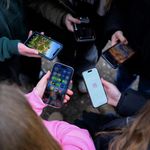
Dar es Salaam. The days when parenting meant knowing where your child was, who they spent time with and when they would return home are rapidly fading.
Today, many of the biggest influences on children's lives exist beyond the family home, hidden behind smartphone screens and social media platforms.
As internet access expands across Tanzania, experts say parents must pay as much attention to their children's digital lives as they do to their physical safety.
Social media has become a place where children learn, socialise and express themselves, but it is also where they can encounter scams, cyberbullying, sexual exploitation, misinformation and harmful online trends.
Official figures presented in Parliament in June, 2026, by the Minister for Community Development, Gender, Women and Special Groups, Dr Dorothy Gwajima, underline the scale of the challenge. According to the data, 67 percent of Tanzanian children aged between 12 and 17 use smartphones and four percent have experienced some form of online violence.
A new parenting challenge
Unlike previous generations, today's children—particularly Generation Z and Generation Alpha—have grown up with smartphones, social media and instant access to information. Many are more comfortable navigating digital platforms than their parents.
That technological gap is creating new challenges at home.
A father of two teenagers, Mr Salumu Jumanne, said many parents struggle to keep pace with rapidly evolving technology.
"Children today often know more about social media than their parents. Sometimes they are exposed to things adults have never even heard of," he said.
According to Mr Jumanne, one of the biggest concerns is that much of children's online activity now takes place away from public view.
While parents may monitor Facebook or Instagram posts, many conversations happen through direct messages, disappearing chats and private groups.
"Parents may know exactly where their children are physically, but have no idea who they are talking to online or what they are being exposed to," he said.
Mr Jumanne believes digital safety should become part of everyday parenting rather than something discussed only after a problem arises.
Distance makes monitoring harder
The challenge becomes even greater when children leave home for college or university.
A mother, Ms Janeth Samata, said many parents lose touch with their children's daily routines once they begin living independently.
"They meet new friends, attend social events and spend more time online, yet parents often know very little about those experiences," she said.
Rather than treating technology as an enemy, she believes parents should learn how digital platforms work and maintain open conversations with their children.
"Children deserve privacy, but parents also have a duty to protect them. That means understanding who they interact with online and what kind of content they consume," she said.
She added that trust remains one of the most effective forms of protection because children are more likely to report suspicious online behaviour if they know they will not be judged or punished.
Digital skills versus digital safety
Experts say one of the biggest misconceptions is that children who understand technology are automatically protected from online threats.
Social psychologist Shabani Riziki said confidence in using smartphones often creates a false sense of security.
"Children know how to open accounts, delete conversations and use different applications. But knowing how to use technology is not the same as understanding the risks behind it," he said.
According to Mr Riziki, online predators rarely reveal their intentions immediately.
Instead, they often spend weeks or months building trust before attempting to exploit children emotionally, financially or sexually.
"They may introduce themselves as fellow students, successful professionals or people offering scholarships, jobs or business opportunities. They first create friendships before manipulating young people," he said.
He said that children are often targeted because they naturally seek acceptance and validation from their peers.
The pressure to fit in
Social media has also transformed how many young people define popularity and success.
The number of followers, likes and comments can become a measure of self-worth, encouraging some children to imitate risky behaviour simply to attract attention. Beauty content creator Gladness Faustine said viral trends often appear harmless but can expose children to risks they do not fully understand.
"A child may join a dance challenge simply because everyone else is doing it. But once that video is online, thousands of strangers can watch it, comment on it and even misuse it," she said.
She believes influencers have a responsibility to consider the younger audiences who copy what they see online.
"We cannot think only about views, followers and popularity without considering the impact our content has on children," she said.
The hidden risks
Technology expert Dominick Dismas said one of the greatest dangers lies in private online communication.
While many parents monitor public posts, strangers increasingly approach children through direct messages, encrypted chats and private online groups.
"These conversations may continue for weeks or months without raising suspicion because parents cannot see them," he said.
He said children are often persuaded to share personal information, photographs or even financial details before realising they have been manipulated.
Rather than relying solely on restrictions or confiscating phones, Mr Dismas recommends improving parents' own digital literacy.
"Parents should understand the applications their children use, talk openly about online risks and encourage honest communication," he said.
According to him, children are more likely to seek help when parents create an environment based on trust rather than fear.
Government considers Child SIM Card
Recognising the growing risks, the government is considering introducing special SIM cards designed specifically for use by children.
Speaking in Parliament in June, Dr Gwajima said the proposed Child SIM Card would include network-level filters to automatically block harmful online content.
The initiative is being developed in collaboration with the Ministry of Communications and Information Technology and the Tanzania Communications Regulatory Authority (TCRA).
The proposal also includes nationwide digital literacy programmes for parents and teachers to improve understanding of online safety.
The ministry plans to prioritise child internet safety during the 2026/27 financial year.
A global concern
Tanzania is not alone in seeking stronger protections for children online.
Around the world, governments are introducing measures aimed at reducing children's exposure to harmful content.
Australia, for example, began enforcing restrictions on social media access for children under the age of 16 this year.
The move followed government research showing that 96 percent of children aged between 10 and 15 used social media, while seven in ten had encountered harmful content, including violent material, misogynistic posts and content promoting eating disorders or self-harm.
The same study found that one in seven children had experienced online grooming, while more than half had been victims of cyberbullying.
These findings have intensified global debate over the responsibilities of governments, technology companies and parents in protecting children online.
Register to begin your journey to our premium contentSubscribe for full access to premium content