Dar es Salaam. Parliament's Budget Committee has urged the government to invest more in labour-intensive sectors, strengthen vocational training and streamline youth financing programmes to tackle unemployment as more than 800,000 young Tanzanians enter the job market each year.
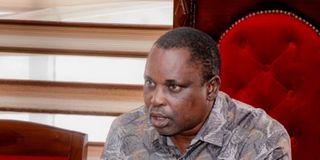
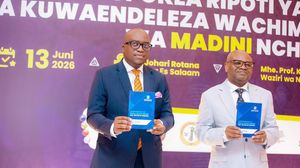
Presenting the committee's recommendations during debate on the Sh62.3 trillion budget for the 2026/27 financial year on Monday, June 15, 2026, the committee chairman, Mr Mashimba Ndaki, said the formal sector was unable to absorb the growing number of job seekers.
The committee noted that although more than 800,000 youths join the labour market annually, formal sector employment increased by an average of 354,702 jobs between 2023/24 and 2024/25.
It said the gap has contributed to unemployment, particularly among young people and women, while accelerating the growth of the informal economy.
According to the committee, more than 70 percent of Tanzanians work in the informal sector, mainly in subsistence agriculture, while the formal sector accounts for only 20 to 25 percent of the workforce.
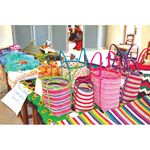
To create more jobs, the committee urged the government to channel more resources into sectors with high employment potential, including commercial agriculture, tourism and small-scale industries.
It also called for greater investment in vocational education and skills training to prepare young people for jobs in manufacturing and technology-driven industries.
The committee further recommended that the Sh200 billion allocated for youth development should remain under the ministry responsible for youth affairs rather than being distributed across several ministries, arguing that a centralised approach would improve coordination and oversight of youth programmes.
Lawmakers also proposed merging youth empowerment funds managed under the Prime Minister's Office with the Self Microfinance Fund (SELF), which is under the Ministry of Finance, to improve access to credit for young people and women.
In addition, the committee called for measures to formalise the informal sector through simplified business registration procedures and incentives for small and medium-sized enterprises (SMEs) to join the formal economy.
The recommendations were presented as Parliament continued debating the government's budget proposals tabled by Finance Minister Khamis Mussa Omar on June 11, 2026.