Dar/Upcountry. As the Tanzania Meteorological Authority (TMA) explains the causes of colder conditions across the country this July, residents of Njombe, Iringa, Mbeya, and Kilimanjaro regions are already feeling the season with varying intensity, with some saying this year's cold is harsher than previous years.
TMA meteorological analyst, Mr Ramadhani Omari, says the drop in temperatures is driven by prevailing wind systems from southern Africa.
He says the winds bring in cold air, while the sun is positioned north of the Equator, causing southern regions and highlands to experience the coldest conditions between June and August.
He says temperatures this month (July) will fall further, with Njombe, Iringa, Mbeya, and Songwe recording the harshest conditions, while some areas may experience temperatures of five degrees Celsius or lower.
Mr Omari says the Uyole weather station in Mbeya Region recorded between three and four degrees Celsius on June 28 and 29, 2026, signalling even colder conditions ahead.
Coastal areas, including Dar es Salaam, will also remain cool, though not as cold as the Southern Highlands.
He says Dar es Salaam normally records night temperatures of 24 to 26 degrees Celsius, but these have dropped to 18 to 20 degrees, leaving residents feeling colder.
He adds that strong winds may affect some areas intermittently and advises residents to follow official forecasts and health guidance.
He also urges fishermen and water transport users to exercise caution during strong winds, noting the cold season will continue until August, with temperatures rising gradually from September.
Residents share experiences
Across the country, residents describe health challenges linked to the cold season, while demand for hot drinks and warm clothing is rising.
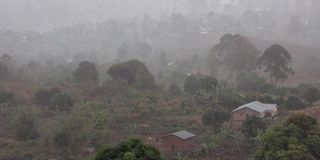
In Kilimanjaro Region’s Rombo District, residents say they are experiencing severe cold with heavy fog and light morning and evening rain.
“This reminds us of severe cold seasons experienced here many years ago,” says Mr Jovin Mushi.
In Njombe Region, residents say the weather has remained extremely cold since June, particularly in Makete District.
Ms Neema John says the sun rises late in the district, citing Tuesday, June 30, 2026, when at 9:30 am conditions still resembled 6:00 am due to thick fog.
In Mbeya Region, Ms Jane Almisi from Sabasaba says this year’s cold has been more intense in the evenings, nights, and early mornings, similar to neighbouring Iringa Region, where some residents report dry, cracked lips that sometimes bleed.
However, a medical doctor at Sokoni Hospital in Iringa, Ms Neema Mwanjole, says cold weather reduces skin and lip moisture, causing dryness and cracking, and advises the use of moisturisers, adequate water intake, and a balanced diet.
She notes that some cases may also be linked to dehydration or deficiencies in vitamins such as the B group, iron, and zinc.
For food vendors in Iringa, the cold season has boosted sales of porridge, tea, and hot cocoa, as well as warm clothing.
Trader Juma Mkwawa says sweaters and coats are sold cheaply during warm seasons, but prices double in cold weather.
“A sweater that sells for Sh20,000 in this period may go for Sh2,000 or slightly more during warmer months just to clear stock,” he says.
Doctors offer advice
Consultant immunologist at Muhimbili National Hospital, Dr Kassim Mapondela, advises regular exercise, fruit intake, especially vitamin C-rich fruits, adequate water, and vegetables to help protect against respiratory illnesses common in cold weather.
He also recommends face masks for people with severe flu to prevent spreading infections and regular hand sanitiser use.
Another doctor at Sokoni Hospital in Iringa, Dr Fabian Mwasabwite, warns that cold weather can cause complications in children and adults who fail to dress warmly.
He says young children and the elderly are most vulnerable due to weaker immunity and may develop flu, coughs, fever, and respiratory complications.
Pharmacist Joseph Kalinga notes increased demand for lip-care products such as lip balm and petroleum jelly during the cold season.
Iringa nutritionist Rehema Mwinuka says good nutrition is key to maintaining healthy skin and lips.
She advises consumption of fruits, vegetables, and mineral-rich foods, and stresses that adequate water intake remains essential even when thirst is reduced in cold weather.
Written by Imani Makongoro (Dar), Hawa Mathias (Mbeya), Christina Thobias (Iringa), Janeth Mushi (Kilimanjaro), and Seif Jumanne (Njombe).
Register to begin your journey to our premium contentSubscribe for full access to premium content