Josephine Christopher is a senior business journalist for The Citizen and Mwananchi newspapers
Mwananchi Communications Limitted
Dar es Salaam. Zanzibar’s blue economy entrepreneurs are being encouraged to move beyond traditional production and embrace financial management, value addition and sustainable practices as the island seeks to unlock the economic potential of its marine resources.
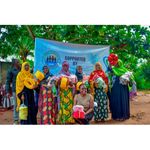
The push comes as Equity Bank Tanzania Limited trains 200 entrepreneurs, including seaweed farmers and fishers, on financial literacy, modern farming techniques and strategies to reduce post-harvest losses.
The two-day training, held in Zanzibar on July 16 and 17, 2026, was conducted under the NORAD-FINE Project, a partnership between the Equity Group Foundation and the Norwegian Agency for Development Cooperation (NORAD), aimed at improving access to financial services for small and medium enterprises (SMEs) operating in blue economy-related sectors.
The initiative comes at a time when Zanzibar’s seaweed and fisheries industries continue to support thousands of livelihoods, but face challenges including limited access to finance, climate change impacts, low productivity and minimal processing capacity.
Speaking during the opening of the training, Equity Bank Tanzania’s Head of Sustainability, Ms Hellen Dalali, said strengthening entrepreneurial skills was critical to ensuring communities benefit more from marine resources.
The training was officially opened by Director of the Department of Community Development, Gender, and Children Ms Siti Abas Ali, who said initiatives supporting small entrepreneurs were important in improving livelihoods and strengthening economic resilience across the islands.
“The blue economy provides significant opportunities for Zanzibar, but entrepreneurs need the right skills, financial knowledge and sustainable practices to fully benefit from these opportunities,” participants were told during the sessions.
Equity’s senior blue economy officer, Mr Noel Chuwa, led sessions on financial education and business management, focusing on budgeting, saving, responsible borrowing and effective financial planning.
The sessions aimed to help entrepreneurs make better financial decisions while improving their ability to access formal financial services, including loans tailored for businesses operating within the blue economy. Beyond finance, the training focused on improving productivity and sustainability within seaweed farming.
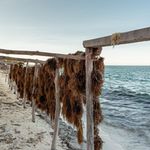
From Zanzibar Maisha Bora Foundation Ms Joyce Denis introduced participants to modern seaweed farming practices, including improved management techniques designed to increase yields and strengthen the sector’s resilience against climate-related challenges.
She also highlighted the importance of environmentally responsible farming methods that protect critical marine ecosystems such as mangroves, seagrass beds and coral reefs. For many seaweed farmers, one of the biggest challenges remains earning greater value from their produce.
Blue Life Conservancy’s official Ms Claudia Gaspar Kanyairita told participants that improving processing and drying techniques could help reduce losses and enable farmers to meet international quality standards. She urged entrepreneurs to shift from selling raw seaweed to developing processed products, arguing that value addition could significantly improve incomes and create new business opportunities.
“Adding value to marine products is key to ensuring communities capture a larger share of the economic benefits generated from the blue economy,” she said.
Zanzibar has been identified as a priority area under the NORAD-FINE Project because of the importance of fisheries and seaweed farming to the island’s economy.
Through the programme, entrepreneurs in blue economy sectors, marine waste management, renewable energy and clean cooking receive financial education alongside support to access affordable financing.
Ms Siti Abas Ali commended Equity Bank Tanzania and NORAD for supporting efforts to strengthen entrepreneurship in the islands, saying improved business capacity would contribute to higher productivity, improved livelihoods and food security.
The initiative reflects growing efforts to position the blue economy as a driver of inclusive growth by linking access to finance with sustainable management of marine resources.