Harare. Zimbabwe has been elected as a non-permanent member of the United Nations Security Council (UNSC) after securing 182 votes from 191 member states during elections held at the UN General Assembly in New York, marking the country's return to the powerful body after more than three decades.
The southern African nation will serve a two-year term from January 1, 2027, to December 31, 2028, replacing Somalia as Africa’s representative on the 15-member council responsible for maintaining international peace and security.
Zimbabwe previously served on the Security Council in 1983-84 and 1991-92, making this its third term.
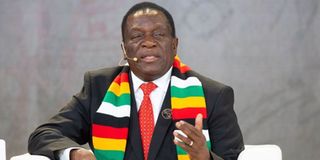
President Emmerson Mnangagwa described the election as a significant diplomatic achievement and said Zimbabwe would use its position to promote peace, multilateral cooperation, conflict resolution and the interests of Africa on the global stage.
The vote is widely seen as an endorsement of Harare’s efforts to re-engage with the international community after years of diplomatic isolation.
Zimbabwe was the sole candidate endorsed by the African Group and comfortably surpassed the two-thirds majority required for election.
It joined Austria, Portugal, Trinidad and Tobago, and Kyrgyzstan, which were also elected to begin two-year terms in 2027.
The UNSC is the only UN body empowered to make legally binding decisions, including imposing sanctions, authorising peacekeeping missions and approving the use of force.
It comprises five permanent members with veto powers—China, France, Russia, the United Kingdom and the United States—and 10 non-permanent members elected on a rotating basis.
Analysts say Zimbabwe’s election strengthens Africa’s voice in global discussions on peace and security, climate-related risks, post-conflict reconstruction and long-standing calls for reform of international governance institutions.
They argue that the seat provides both Zimbabwe and the continent with an opportunity to influence decisions on issues that increasingly affect developing nations.
The election comes as African countries continue to push for greater representation within the UN system, including permanent African representation on the Security Council, arguing that the current structure no longer reflects contemporary geopolitical realities.